Although colorectal cancer is highly preventable and treatable when caught early through regular screening, tens of millions of eligible adults in the United States remain unscreened. Established screening tools—such as colonoscopy and stool-based tests—are highly effective, yet many individuals avoid them due to preparation requirements, physical discomfort, embarrassment, inconvenience, fear of abnormal results, or simply the perceived hassle of scheduling.
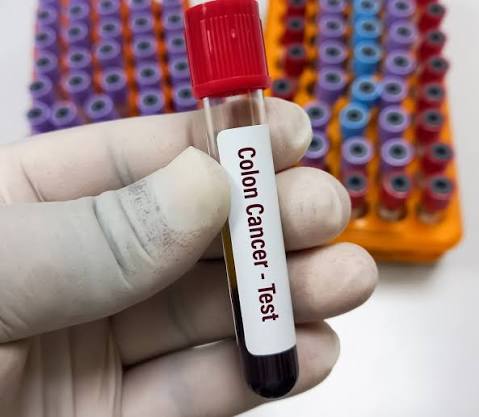
In an effort to broaden uptake, the U.S. Food and Drug Administration (FDA) recently approved Freenome’s SimpleScreen blood test, a novel screening approach designed for average‑risk adults. This adds a convenient alternative to existing methods. In a large clinical study, the test detected approximately 8 out of 10 colorectal cancers and correctly returned negative results for about 9 out of 10 individuals without cancer or advanced precancerous lesions.
Colorectal cancer currently ranks as the second leading cause of cancer‑related death worldwide, and early‑onset colorectal cancer is the top cancer killer among both men and women under 50. Current guidelines recommend that average‑risk individuals begin screening at age 45, yet roughly 60 million eligible Americans have not been screened. Despite colonoscopy being widely regarded as the gold standard, and stool‑based tests offering at‑home convenience, multiple barriers persist—including cost, lack of awareness, time off work, limited access to care, and the natural tendency to postpone preventive health checks when no symptoms are present.
The introduction of blood‑based screening is expected to reduce these hurdles. Experts believe that a simple blood draw may be far less intimidating than a colonoscopy or a stool collection, potentially prompting previously unscreened people to participate. This could lead to earlier detection, when treatment is most successful.
Dr. Paul Limburg, Chief Screening Medical Officer at Abbott Cancer Diagnostics, emphasized that screening is not one‑size‑fits‑all. He noted that the American Cancer Society currently recommends stool‑based testing (including Cologuard Plus) and visual exams like colonoscopy as preferred options, but patient preferences vary widely. Recent evidence suggests that many people would actually choose a blood test over other methods, which may improve overall screening rates, especially among those who are overdue. He added that screening decisions should be individualized, and that a strong physician recommendation—framing screening as a routine, effective, and manageable preventive measure—remains a critical factor in increasing participation