Sleep and mental health are deeply intertwined, yet the nature of their relationship is often misunderstood. Poor sleep can worsen mood, reduce patience, and cloud thinking, while mental health conditions like depression frequently disrupt sleep—though in opposite ways for different people. Some individuals with depression sleep excessively, while others struggle with chronic sleeplessness. This variability highlights the complexity of the sleep‑mind connection, which is bidirectional: sleep problems can be both a cause and a consequence of psychiatric symptoms.
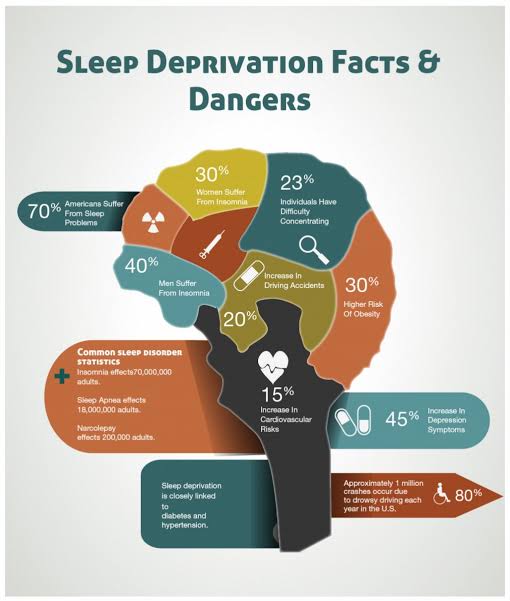
A crucial distinction that is frequently overlooked in public discourse is the difference between sleep deprivation and insomnia. According to consultant psychiatrist Dr. Lauren Waterman, sleep deprivation occurs when the brain is ready and willing to sleep, but external factors prevent it—such as a crying infant, loud neighbours, or environmental noise. Chronic, severe sleep deprivation, when sustained, can have serious health consequences, including increased risk of heart attacks and premature death.
Insomnia, by contrast, arises from internal factors: the brain itself fails to initiate or maintain sleep, even when the environment is conducive to rest. This condition typically develops gradually and involves a neuroadaptive response. Over time, the brain of a chronic insomniac learns to consolidate high‑quality sleep into a shorter period—often as little as four hours per night—and this adaptation appears to mitigate the long‑term physical harm associated with externally imposed sleep loss. Thus, the two conditions are physiologically and clinically distinct, and conflating them leads to confusion in both research and treatment.
Understanding this difference is essential for addressing the broader question of whether sleep is the “missing piece” in mental health care. While improving sleep hygiene and addressing insomnia are important, the approach must be tailored to the underlying cause. For those with insomnia, cognitive behavioural therapy and targeted interventions may be more effective than simple sleep‑promoting habits. Meanwhile, for individuals facing genuine sleep deprivation, removing environmental barriers remains key. The ongoing dialogue among experts, as featured in the MNT In Conversation podcast, underscores the need for nuanced perspectives on sleep and its role in psychological well‑being.