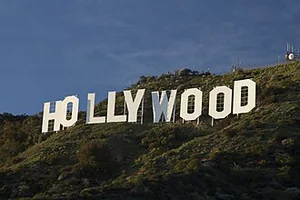
There it is, perched on the slopes of Mount Lee like a proud, white crown. The Hollywood Sign—nine colossal letters stretching 450 feet across the hillside—is more than a landmark. It's a promise of stardom, a symbol of dreams, and the silent overseer of Los Angeles. From the moment you catch your first glimpse, whether through smoggy haze or crystal-clear morning light, it commands your attention. You're not just looking at letters; you're looking at a century of movie magic, ambition, and reinvention.
What makes this sign so magnetic isn't just its size. It's the way it appears in the opening frame of countless films, the way it hovers over traffic on the 101, the way it makes you feel like you've finally arrived in the City of Angels. For international travelers, it's a pilgrimage. For locals, it's a familiar, reassuring presence. Up close, the sign feels raw, weathered, and surprisingly intimate—despite being visible from miles away. It's a strange paradox: something so famous yet so accessible, so monumental yet so simple.
The Hollywood Sign wasn't always a symbol of glamour. It began in 1923 as a temporary advertising gimmick for an upscale real estate development called Hollywoodland. Back then, it read “HOLLYWOODLAND,” each letter studded with 4,000 lightbulbs that blinked in sequence—first “HOLLY,” then “WOOD,” then “LAND.” The sign was built by the Los Angeles Times publisher Harry Chandler and developer Hobart Johnstone Whitley, with the help of a crew that hauled lumber and pipe up the rugged terrain. Costing around $21,000, it was meant to last just a year and a half. But it outlived its purpose and its era.
By the 1940s, the sign was in sorry shape. The “H” had collapsed, and the whole structure was rotting away. The Hollywood Chamber of Commerce stepped in, removing the “LAND” in 1949 and restoring the remaining letters to promote the district itself. But time wasn't kind. By the 1970s, the sign was crumbling, with the “O” literally falling apart. Enter Hugh Hefner, Alice Cooper, and a host of celebrities who helped raise funds for a complete replacement. In 1978, 38 steel-toned letters went up, each 45 feet tall, with a fresh coat of white paint. Decades later, the sign got another makeover in 2012—a $20 million restoration funded by the likes of Playboy and other donors, ensuring it stands tall for generations to come.
So, how do you actually experience the sign beyond just squinting from a distance? First things first: there's no ticket booth, no turnstile, no admission fee. The sign lives in Griffith Park, and you're free to explore the trails that wind toward it. The most rewarding way to see it is to hike. The Mount Hollywood Trail is a favorite—it's moderate, about 3.6 miles round trip, and treats you to wildflowers, chaparral, and panoramic views of the city. You'll see the sign from multiple angles, plus the Griffith Observatory peeking over the ridge. Give yourself at least two hours if you plan to hike, snap photos, and soak in the scenery.
If a longer hike feels like too much, drive to the Griffith Observatory instead. From its terraces, the sign looks picture-perfect, framed by the sprawling basin and the Pacific in the distance. It's one of the best free photo spots in Los Angeles, especially at sunset when the sky turns orange and pink. For something more off-the-beaten-path, seek out the lesser-known viewpoint at Lake Hollywood Park. It's a small, grassy spot where locals walk their dogs and the sign appears close enough that you can almost count the rivets. You can't hike directly to the sign from there—it's fenced off for safety—but the view is unbeatable.
For the truly adventurous, the secret gem is the Wisdom Tree. It's a lonely pine on a hilltop near the sign, reachable via the Cahuenga Peak trail. Along the way, you'll find a notebook tucked in a metal box at the tree's base, where hikers leave quotes, drawings, and messages. It's a quirky, human touch that feels far removed from the Hollywood glitz. Just remember: the terrain is steep, and there's little shade, so bring water and wear sturdy shoes. And please, oh please, don't walk on the sign itself. It's not only dangerous but also disrespectful—the surrounding area is protected land.
You're probably wondering about the best backdrop. For classic shots, head to the corner of Beachwood Canyon and Westshire Drive, where the sign looms directly over the street. Early morning is golden—fewer crowds, softer light, and a certain cinematic stillness. But if you're after a truly unique angle, try the trail behind the Hollywood Bowl, known as the “Fence at the Top.” It's a bit of a scramble, but you'll get an unobstructed, close-up perspective that most visitors never see. And don't skip the Hollywood Reservoir; the loop trail there offers serene water views, with the sign mirrored in the surface on calm days.
One more tip: while there's no cost to visit, you should budget for parking in the surrounding neighborhoods. Beachwood Canyon and Griffith Park lots fill up fast on weekends, so arriving early is smart. The sign itself doesn't require more than a few minutes of gawking, but the surrounding trails can easily eat up half a day. Pair it with the Griffith Observatory or the Hollywood Bowl for a full cinematic outing. Trust me—you won't regret lingering. The Hollywood Sign has witnessed a century of stories, and standing before it feels like you're part of that ongoing script.
In the end, the Hollywood Sign is so much more than nine white letters on a hillside. It's a testament to human ambition—built as a real estate ad, saved by public passion, and preserved as a global icon. Whether you're a film buff, a hiker, or just someone chasing a perfect sunset photo, this landmark delivers. It's gritty, glamorous, and gloriously LA. Go see it for yourself; you'll understand why the whole world knows its name.